How to recognise a quality microfibre cloth
Composition, weight and edges — the three things on the label that predict how a cloth will behave, and the one test the label cannot fake.
1 minute
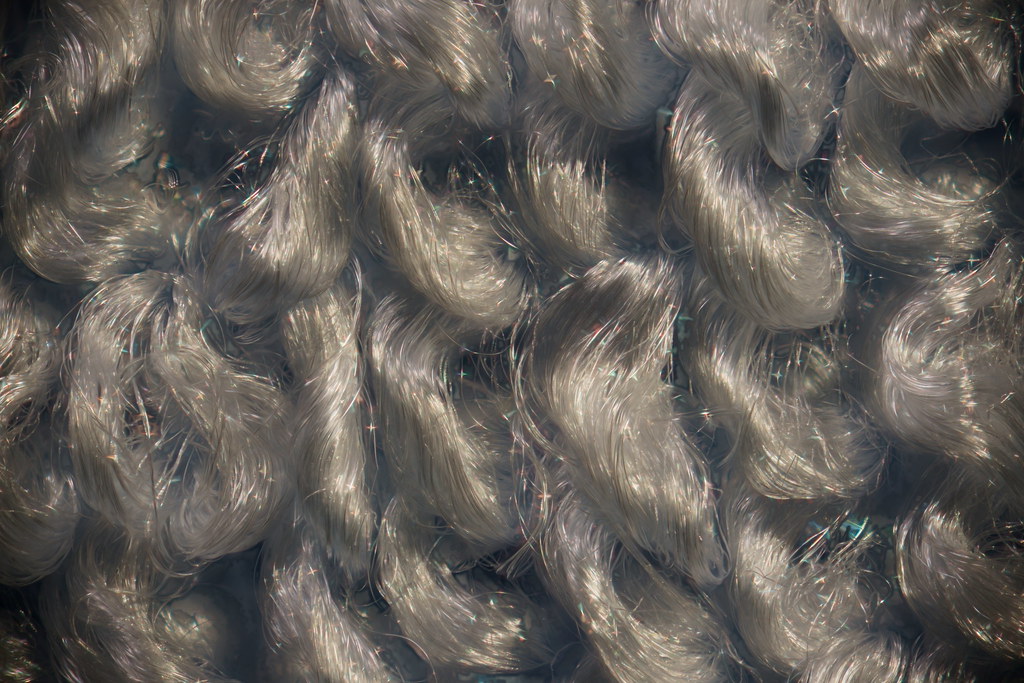
Composition first. Good cloths are 80% polyester / 20% polyamide; 70/30 is the premium grade. The polyamide is what gives absorbency and softness, so more of it is better — and a cloth that does not state its composition at all is answering the question anyway.
Weight is given as GSM, grams per square metre. Under 300 GSM a cloth is thin — fine as a sacrificial rag for wheels and toilets, too thin for careful work. 300–400 GSM covers glass and general surfaces. 400–600 GSM plush cloths are for polishing and buffing, and 600+ for drying.
Edges matter on anything delicate: look for seamless or ultrasonically cut edges. A stitched hem is a hard ridge dragged across your car paint or high-gloss furniture.
The real definition of microfibre is that the fibres are split — the wedge-shaped profile is what grips dirt and holds water — and this almost never appears on the label. The test does not lie: drop water on the cloth. A quality cloth absorbs it instantly; beading or slow uptake means poorly split fibres, or residue.
Related guides
Guide
Washing microfibre cloths the right way
Routine washing that keeps cloths absorbent and lint-free — and the sorting rule that stops one oily cloth ruining a whole load.
- Difficulty
- Easy
- Time
- 90 minutes
Guide
Resetting microfibre cloths (stripping)
When water beads on a cloth instead of soaking in, residue has built up. This strips it and restores the absorbency.
- Difficulty
- Easy
- Time
- 180 minutes